

Downspout Extensions vs Underground Drainage
Seamless Gutter Installation, Repair, and Service for Aurora Homeowners Since 1978
Ernie’s Gutter provides seamless gutter installation, repair, cleaning, gutter guards, downspout corrections, and fascia repair for Aurora, Colorado homeowners
Family-Owned Legacy Built on Quality Since 1978
Fast scheduling and quick response – reach out today
Request Estimate
Ernies Roofing
Denver Downspout Drainage Guide
Downspout Extensions vs Underground Drainage
Downspout Extensions vs Underground Drainage On Denver Homes
Downspout Extensions vs Underground Drainage is a decision Denver homeowners usually face after roof water starts pooling near the foundation, crossing a sidewalk, washing out mulch, or dumping right where it should not.
Family roofing, siding, and gutter service serving Denver since 1978.

Start With Where The Water Needs To Go
```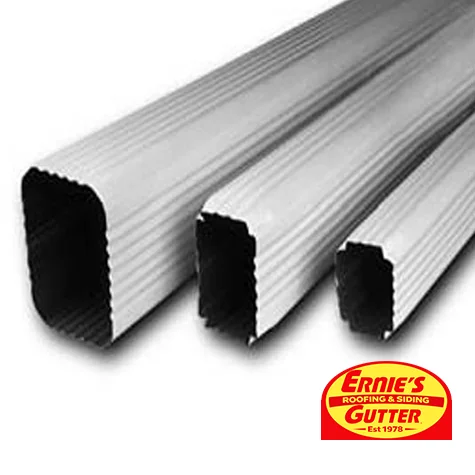
If this is your first time hearing this, the choice is not really between a plastic extension and buried pipe. The real choice is how to get roof water to a safe place where it cannot run back toward the house.
A surface downspout extension can be a solid fix when the yard has enough slope, the discharge point is open, and the extension will not be in the way. It is simple, visible, easier to clean, and easier to adjust if the water path is not perfect the first time.
Underground drainage can make sense when surface extensions would cross a walkway, create a trip hazard, get damaged by mowing, or dump water in the wrong visible area. But buried drainage is not magic. If it is not sloped, terminated, and maintained correctly, it can clog, freeze, back up, or move the problem to another spot.
This decision connects directly to How Far Should Downspouts Drain From The House. Before picking a drainage method, you have to know how far the water needs to travel and whether the ground helps or fights the plan.
Page Guide
Related service: Downspouts And Gutters
When Downspout Extensions Make Sense
```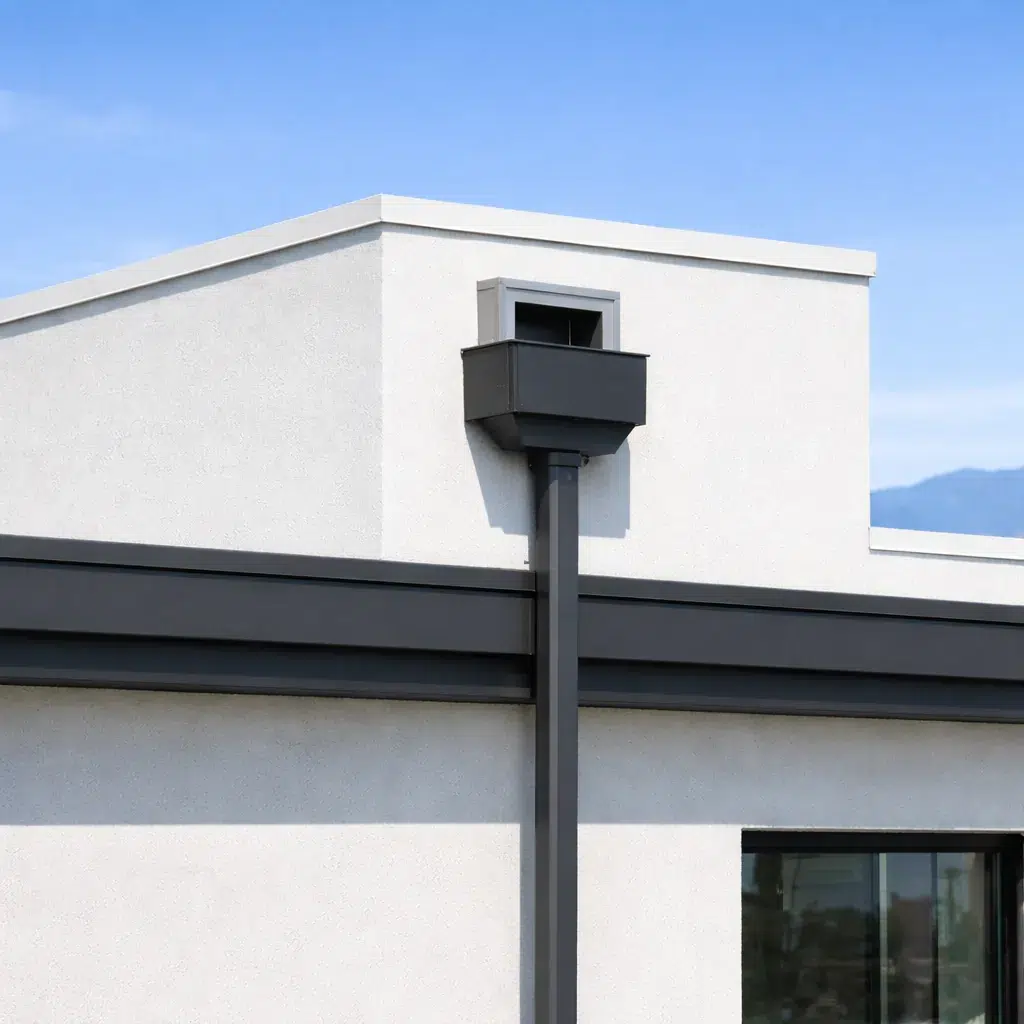
Downspout extensions are often the first place to start because they are simple and easy to inspect. You can see where the water goes. You can move the outlet if it is wrong. You can clean it, replace it, or adjust it without digging up the yard.
They work best when the home has a clear surface path away from the foundation. If the yard slopes away, the extension can carry water out from the wall and let gravity keep doing the rest. That is the cleanest setup.
The problem is placement. A downspout extension that crosses a walkway, lays across a driveway, gets crushed, or keeps being removed is not a reliable fix. If people keep moving it out of the way, the water control plan is already failing.
Extensions also need a good discharge point. Sending water farther away only helps if the water keeps moving away. If the extension ends in a low spot, flat soil, or concrete that slopes back, the water can still return to the foundation.
Related reading: Why Downspouts Dump Water Too Close To The Foundation
When Underground Drainage Makes Sense
```
Underground drainage can be useful when there is no good surface route. That usually happens around walkways, tight side yards, patios, driveways, landscaping beds, and places where a visible extension would be in the way.
But underground drainage has to be planned carefully. It needs slope. It needs a safe exit point. It needs to be sized for the roof water coming into it. It also needs some way to be maintained, because leaves, shingle grit, soil, and debris do not politely stay out of buried pipe.
We have seen buried lines installed flat, buried too shallow, crushed by yard work, or ended in a place that still let water sit near the home. That is not drainage. That is hiding the problem under dirt with better confidence.
Underground drainage can be the right answer, but it is not always the first answer. The gutter, downspout, outlet, grade, and final discharge point should be checked before any trench gets opened.
Related service: Gutter Repair Denver
Buried Pipe Does Not Fix Bad Water Planning
Underground drainage can be useful, but it only works when the slope, outlet, pipe path, and discharge point are right. If the water still has nowhere good to go, the pipe just moves the problem.
Warning Signs Your Drainage Setup Is Not Working
```
Whether you have a surface extension or underground drainage, the warning signs are usually found at the ground. Look for soil washout, wet mulch, low spots, water stains on concrete, damp foundation corners, or water that returns toward the home after it leaves the outlet.
With surface extensions, watch for pieces that get kicked loose, crushed, pulled off for mowing, or aimed into a bad spot. If the extension is always in the way, it will not stay in place long enough to protect the house.
With underground drainage, watch for backup at the downspout, water bubbling near the inlet, soggy soil over the pipe path, or no water showing at the discharge point during a storm. That can mean the line is clogged, flat, crushed, frozen, or poorly terminated.
If new gutters were recently installed and water still pools near the house, the problem may not be the gutter itself. It may be the discharge point. That is why the guide on Why New Gutters Still Overflow matters in this drainage cluster.
Related reading: Why New Gutters Still Overflow
```Drainage Choice Checklist: Extension Or Underground Line
```Before choosing between a downspout extension and underground drainage, the full water path should be checked. These are the details that usually decide which option makes sense.
Yard Slope
Surface extensions work better when the yard naturally moves water away from the home.
Final Outlet Point
Both systems need a safe place where water can exit without returning to the foundation.
Walkways
If an extension crosses a walkway, underground routing may be worth considering.
Trip Hazards
A visible extension that people trip over or remove is not a dependable drainage fix.
Maintenance Access
Surface extensions are easier to inspect and clean than buried drainage lines.
Clog Risk
Underground lines can clog with leaves, shingle grit, soil, roots, and debris.
Pipe Slope
Buried drainage needs proper slope or water can sit inside the pipe and back up.
Freeze Concern
Poorly placed or shallow drainage can create winter issues when water sits instead of draining.
Roof Water Volume
Large roof areas need a drainage path that can handle heavy runoff during Denver storms.
Downspout Size
A restricted or undersized downspout can overload either drainage option.
Concrete Direction
Concrete that slopes toward the home can defeat both surface and buried drainage plans.
Foundation Risk
The best choice is the one that keeps water away from basement walls and foundation edges.
Related service: Seamless Gutter Installation Denver
```What To Watch For When Choosing Drainage Options
```Not every drainage problem needs the same fix. These three categories help Denver homeowners understand when a simple extension is enough, when buried drainage may make sense, and when the whole gutter layout needs to be checked.
Surface Extension Fix
The downspout works, the yard slopes away, and the water only needs to be carried farther from the house. This is usually the simplest fix when the discharge path stays open and safe.
Underground Drainage Fit
The water needs to cross a walkway, patio, tight side yard, or traffic area where a surface extension would be damaged, removed, or create a trip hazard.
Full Water Path Problem
The gutter overflows, the outlet is overloaded, the soil slopes back, or water pools even after extensions. That means the full gutter, downspout, and drainage path needs inspection.
How Ernie’s Gutter Checks The Full Drainage Path
```
We do not start by guessing what part to sell. We start by following the water. That is the only honest way to decide between a downspout extension, underground drainage, gutter repair, or a better gutter layout.
- Roof area review: We look at how much roof water feeds each downspout.
- Gutter pitch check: We inspect whether the gutter sends water toward the outlet correctly.
- Downspout condition check: We check elbows, straps, seams, crushed spots, clogs, and outlet placement.
- Surface path review: We look at whether a visible extension can safely move water away.
- Underground route review: We check whether buried drainage could be sloped, accessed, and discharged correctly.
- Concrete and soil check: We look for surfaces and grading that send water back toward the home.
- Final discharge planning: We recommend the option that moves water away without creating a new problem.
Sometimes the answer is a simple extension. Sometimes underground drainage makes sense. Sometimes the real problem is poor gutter slope, a bad outlet, or too much water being sent to one spot. The fix should follow the field condition, not a guess.
Related reading: How We Fixed Drainage On A Denver Ranch Home
Choose The Drainage Fix That Matches The Home
Surface extensions and underground drainage can both work when they are used in the right place. Ernie’s Gutter can inspect the gutter, downspout, soil slope, concrete path, and discharge point before you spend money on the wrong fix.
Frequently Asked Questions About Downspout Extensions vs Underground Drainage
```Are downspout extensions better than underground drainage?
Downspout extensions are better when a safe surface path exists. Underground drainage may be better when a visible extension creates a trip hazard, crosses a walkway, or cannot reach a safe discharge point.
Is underground drainage always the best fix?
No. Underground drainage only works when it has proper slope, a good outlet, enough capacity, and maintenance access. Buried pipe can fail if it is poorly planned.
When should I use a downspout extension?
Use a downspout extension when water can be moved away from the foundation on the surface without creating a trip hazard, getting damaged, or draining into a low spot.
When should I consider underground drainage?
Consider underground drainage when surface extensions are in the way, cross traffic areas, or cannot reach a safe discharge point without being damaged or removed.
Can underground drainage clog?
Yes. Buried drainage can clog with leaves, shingle grit, soil, roots, and debris, especially when there is no cleanout or maintenance access.
Can downspout extensions cause problems?
Yes. Extensions can be too short, aimed at a bad location, create trip hazards, get crushed, or be removed during mowing and snow cleanup.
Should underground drains connect to every downspout?
Not always. Each downspout should be evaluated based on roof water volume, slope, soil, outlet location, and whether surface drainage can work safely.
Why does water still pool after adding extensions?
Water may still pool if the extension ends in a low spot, the soil slopes back, the gutter sends too much water to one outlet, or the final discharge point is wrong.
Do Denver homes need special drainage planning?
Yes. Denver homes deal with fast storms, hail, snow melt, dry soil, settled grading, and older concrete that can send roof water back toward the foundation.
Who can inspect downspout drainage in Denver?
Call Ernie’s Gutter at 720 346 ROOF. We inspect gutters, downspouts, extensions, drainage paths, soil slope, and foundation water concerns throughout the Denver area.
The Right Drainage Choice Is The One That Keeps Water Away
A surface extension is not too simple if it works. Underground drainage is not too much if the layout needs it. The smart move is checking the full water path before choosing the fix.
Protection starts at the top of the home.
This content is provided for general informational and educational purposes only. It does not constitute professional construction, roofing, or contracting advice. Every property, structure, and situation is different. Always consult a qualified roofing or gutter professional for inspections, recommendations, and repairs specific to your home or building.
OUR SERVICES
Best Gutter Installation
Get more information concerning our service, do not wait to call us at 720 346 ROOF today. We’ll be more than happy to schedule a meeting with you.

Residential Gutter Contractor
Ernie’s Gutter specializes in residential gutter installation in Denver and has a team of experienced professional gutter installers available to get the job done right The First Time. From minor repairs and maintenance to full–scale gutter replacements.

Commercial Gutter
Commercial gutter needs with ease. Our seamless gutters are made using only the highest quality materials and are built to last. With our custom fit, your new gutters will fit your project perfectly and look great!. Call us at 720 346 ROOF and book a consultation today.

Gutter Guards
Gutter guards come in a variety of materials, sizes, and colors so you can customize them to fit your home’s aesthetic. Gutter guards are designed to help keep the leaves from entering your gutters Hail Claim Help

Downspouts and Extensions
Downspout for Drainage is the place to go for all your system needs.We understand the importance of properly managing water runoff and are committed to ensuring that your home or business is protected from potential flooding or water damage.

Gutter Repair
When it comes to Gutter Repair, it can be difficult to determine whether the damage was caused by hail or wind or age. While all types of damage can cause similar symptoms, they have different causes and require different repair methods.