
Siding
Vinyl Siding Installation, Repair, and Service for Denver Homeowners Since 1978
Ernie’s Gutter provides seamless gutter installation, repair, cleaning, gutter guards, downspout corrections, and fascia repair for Denver, Colorado homeowners
Family-Owned Legacy Built on Quality Since 1978
Fast scheduling and quick response – reach out today
Request Estimate
Ernies Roofing
Ernie’s Gutter · Family Owned Since 1978
Siding Materials and Care Guide
Siding materials and care affect how your Denver home handles sunlight, wind, moisture, and everyday wear. This homeowner guide explains how to recognize siding types, compare practical maintenance needs, and spot problems at the wall’s edges. For inspections, estimates, repair, and replacement services, visit our Siding Contractor page.

Siding Materials and Care Guide
Siding is the outer wall covering that sheds weather and gives a home its finished appearance. Choosing and maintaining it means considering the material, wall condition, trim, drainage, and manufacturer’s instructions together. Denver homeowners should compare maintenance needs and watch for loose panels, damaged finishes, and moisture around openings before deciding what work is needed.
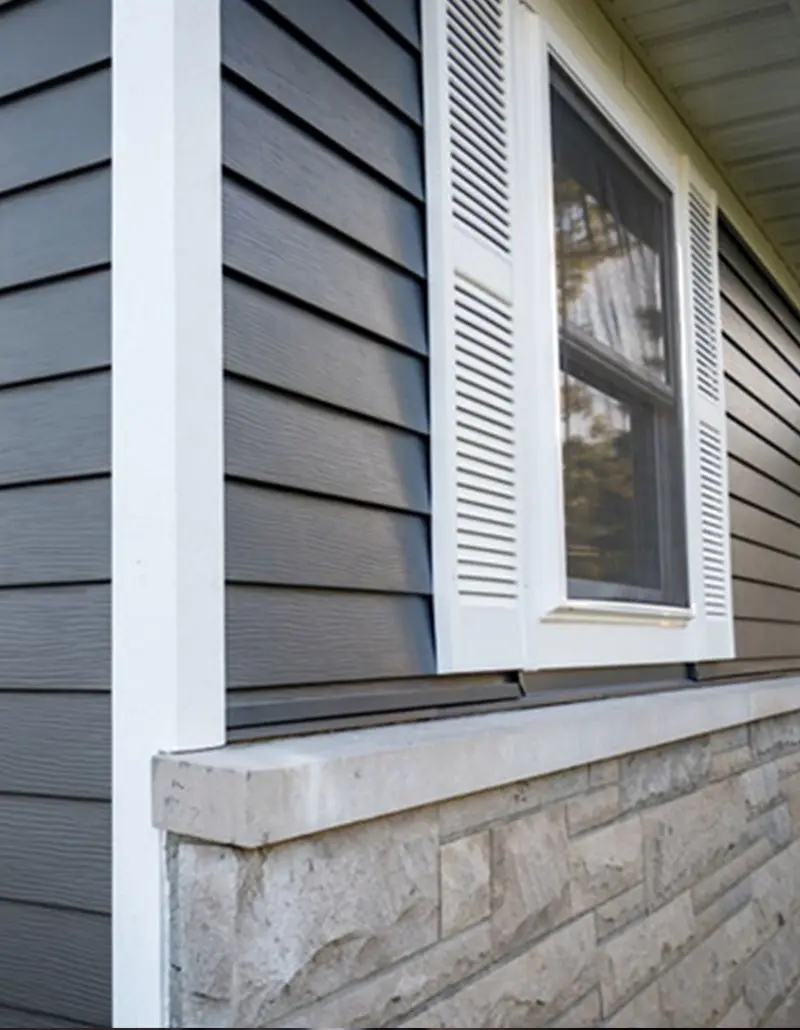
Start With What Your Home Already Has
If this is your first time hearing this, siding is one part of a wall system, not a waterproof shell by itself. Behind the visible covering may be sheathing, a water-resistive barrier, flashing, and other layers. Sheathing is the solid wall surface that supports the exterior assembly. Flashing is material used to guide water away from vulnerable joints. Those layers matter even when the outside looks freshly finished.
Start by identifying the material already on the house and looking at its condition from the ground. A smooth painted board, a textured fiber-cement plank, a hollow vinyl panel, and a metal panel can resemble one another from a distance. A spare piece, manufacturer label, old invoice, or clear photograph of an exposed edge may help establish what you have. Do not pry off sound panels simply to satisfy curiosity.
The useful question is not which material wins every comparison. It is which material and maintenance plan make sense for this wall, this exposure, and the homeowner’s expectations. A shaded side yard and a sunny west-facing wall can age differently on the same house. Compare actual conditions before treating a small damaged area as proof that every wall needs the same work.
Ernie’s Gutter is a third-generation family contractor serving Denver and surrounding communities since 1978. Our practical approach starts with the exterior water path. This page is a reference for understanding materials and care; our siding contractor services page explains how to get help with the work itself. Keep your notes organized so the conversation begins with evidence rather than a guess about the whole house.
Recognize the Main Siding Material Families
Vinyl Siding
Vinyl siding commonly uses interlocking panels and matching trim accessories. It can move as temperatures change, so attachment and clearances must follow the specific product instructions. Washable surfaces can reduce routine finish work, but impact damage, distortion, and aging still need attention.
Fiber-Cement Siding
Fiber-cement products combine cement-based ingredients with reinforcing fibers. Many resemble painted wood planks. Their finish, joints, cut edges, attachment, and required clearances need product-specific care. A durable-looking board does not eliminate the need to inspect the details around it.
Wood and Engineered Wood
Traditional wood and engineered wood are different products, even when their appearance is similar. Both deserve attention to coatings, edges, moisture exposure, and manufacturer requirements. Identify the actual product before choosing a cleaner, sealant, finish, or repair method.
Metal Siding and Mixed Exteriors
Metal siding can include aluminum or steel products with different profiles and finishes. Dents, scratches, corrosion, damaged coatings, and incompatible accessory materials should be evaluated according to the product involved. A magnet may offer a clue about certain metal surfaces, but it does not establish the condition of the assembly or identify every product. Avoid turning a quick identification check into a damage test.
Many Denver homes combine siding with brick, stone, stucco, or several siding profiles. These transitions deserve separate attention. A decorative change in material can also be a change in how water leaves the wall. Look at ledges, horizontal joints, and the point where one material ends and another begins. Do not assume that a smooth line of caulk is the correct treatment for every joint.
Profiles and Accessories Affect Matching
A profile is the shape and visible pattern of a panel or board. Exposure is the amount of each course visible after installation. Two products with similar colors can have different exposures, locking edges, textures, or thicknesses. That is why repair matching requires more than selecting a color from a small sample. Keep an original spare piece if you already have one, and label where it came from.
For material-specific service information, see our vinyl siding page. This guide compares the broader material families without treating every product as interchangeable. Availability, accessory compatibility, and the existing wall assembly should be confirmed before materials are ordered. A contractor should explain uncertainty about matching instead of promising an invisible patch before seeing the existing panel.
Compare Maintenance and Appearance Before Choosing
| Material family | Care to plan for | Questions worth asking |
|---|---|---|
| Vinyl | Gentle cleaning; inspection of locks, trim, and distortion | Can the profile match? What clearances does this product require? |
| Fiber cement | Finish and joint care according to the specific product | What coating is used? How are cut edges and transitions handled? |
| Wood or engineered wood | Coating, edge, and moisture checks appropriate to the product | What is the maintenance schedule? Which joints require sealing? |
| Metal | Finish inspection and product-approved cleaning | Can dented pieces match? Are accessories compatible? |
Lower Maintenance Still Requires Observation
Lower maintenance does not mean no maintenance. Any exterior can collect dirt, suffer impact damage, or develop trouble at openings and connections. Compare the work you are willing to do over time, not just the appearance on installation day. Ask whether the product requires future painting, particular cleaning methods, periodic sealant checks, or special treatment at exposed edges. Get the answer for the exact product rather than a whole category.
Color and texture also influence repair planning. Sun exposure can change the appearance of existing material, so a new piece of the original color may stand out. Ask to view a sample beside the actual wall under daylight. Consider whether a whole wall, a contained architectural section, or a small repair would produce the most consistent appearance. There is no honest universal promise that every patch will disappear.
Compare Written Scope, Not Just Price
Two prices mean little unless the included work is comparable. Removal, disposal, access, trim, flashing, wall preparation, and concealed-damage allowances can change the scope substantially. Ask what is included around windows and doors, whether gutters affect access, and how unexpected wall damage will be documented. An estimate that names only a material and a total can leave important responsibilities unsettled until work starts.
Do not choose a material using an unsupported lifespan number or a broad promise that it will solve every weather problem. Performance depends on the particular product, attachment, exposure, existing wall, and ongoing care. Written manufacturer requirements and an understandable project scope are more useful than sales language. If warranties are offered, ask who provides them, what they cover, and what maintenance or installation conditions apply.
A Better Surface Cannot Correct a Hidden Water Path
Before changing the wall covering, identify where moisture enters and where it should leave. Covering a wet or damaged area can hide the symptom while leaving the cause in place.
Understand the Connections Around the Siding
Water management begins above and around the wall, not only at the damaged panel. A stain beneath a gutter can come from overflow, an attachment problem, or water traveling behind the roof edge. Staining below a window may involve the opening and its flashing. The location of a mark is a clue, but it is not a diagnosis. Record when it appears and whether it follows rain, snowmelt, or another event.
Windows, Doors, and Horizontal Transitions
Openings interrupt the wall covering and need coordinated details that guide water outward. Flashing, trim, joints, and the water-resistive layer must work together. The correct treatment depends on the existing assembly and the chosen product. Avoid sealing every visible opening because some details are intended to drain. A contractor should identify the detail before deciding whether it should be sealed, rebuilt, or left open for drainage.
Horizontal transitions can collect water if their shape or finish directs it inward. Look from a safe position for staining below ledges, soft trim, peeling coatings, or recurring damage in the same location. Photograph the full area as well as the close detail. Those two views help show the relationship between the symptom and the surrounding wall. A close photograph alone can hide the feature causing repeated wetting.

Soffit, Fascia, Gutters, and Discharge
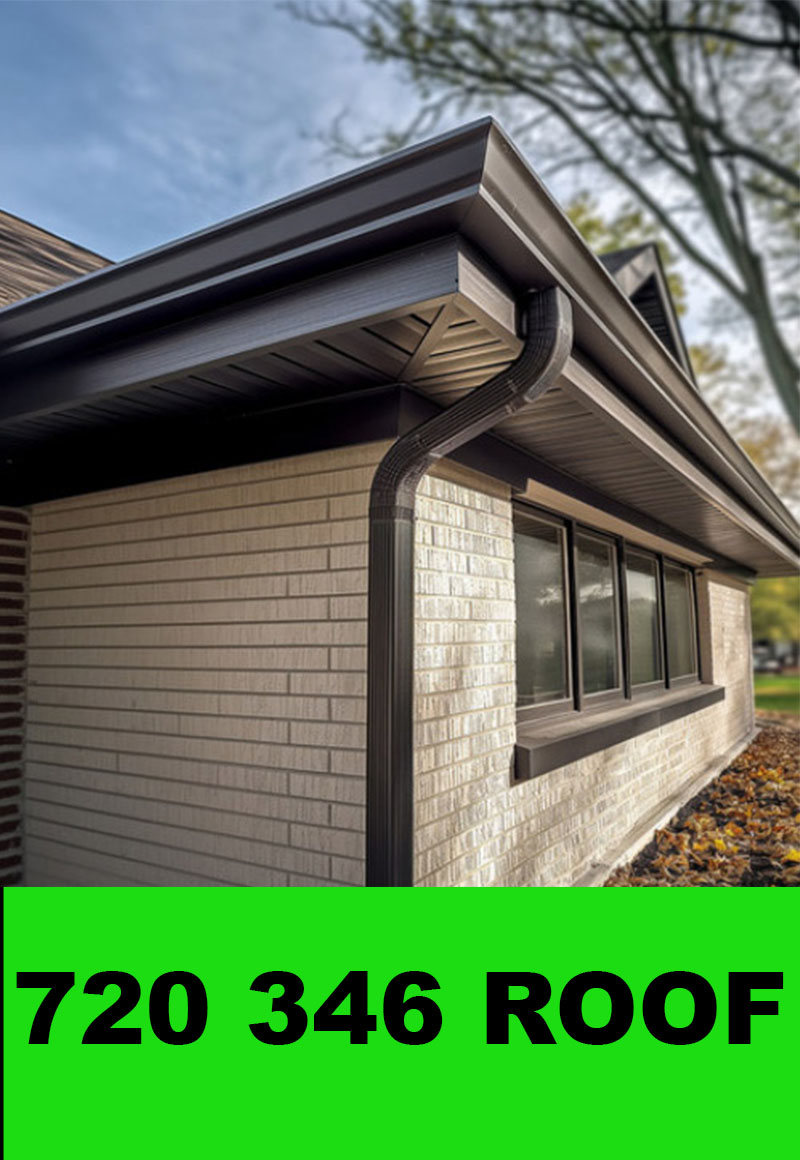
Soffit is the underside of an overhanging roof edge. Fascia is the facing at the roof edge where gutters are commonly attached. These components meet the wall covering but have different jobs. Damaged fascia, blocked ventilation where ventilation is designed, and overflowing gutters should not be ignored during siding planning. Our soffit and fascia wrap information explains this adjacent part of the exterior.
Downspouts should carry collected roof runoff to a suitable discharge point rather than repeatedly soaking the wall or foundation area. Splash marks near the ground can help identify a pattern, but drainage changes should account for the property and applicable local requirements. Learn more on our downspouts and gutters page. A siding finish cannot compensate for roof water repeatedly directed against the same corner.
Build a Safe, Practical Siding Care Routine
Walk the Exterior From the Ground
A useful routine starts with a slow walk around the house when conditions are safe. Look for changes rather than trying to inspect hidden layers. Note loose pieces, cracks, unusual waves, stains, peeling finishes, and damaged trim. Compare one elevation with another. Take photographs from the same locations so a future check can show whether something has changed. Repeat the walk after a significant weather event when the area is safe.
Keep the observations simple: where the issue is, what it looks like, and when you first noticed it. A note such as “stain below the west window after rain” is more useful than guessing that the whole wall has failed. Record active interior dampness separately and seek timely assessment if water is entering. Do not wait for a routine maintenance visit when the home has an active leak or an exposed opening.
Clean According to the Product Instructions
Identify the siding and check the manufacturer’s cleaning guidance before using chemicals or equipment. Start with the least aggressive approved method and test an inconspicuous area when the instructions call for it. Protect nearby plants and finishes as appropriate for the cleaner. Avoid mixing cleaning chemicals. Gentle cleaning may remove surface dirt, but it cannot restore missing material, reconnect a broken locking edge, or correct a hidden moisture problem.
Pressure washing deserves caution because forceful water can damage finishes or reach vulnerable joints. Do not assume that equipment suitable for a concrete driveway is suitable for siding. Follow the product instructions and hire appropriate help when the work requires unsafe access. Keep cleaning and repair decisions separate. A clean wall can still have loose panels, failed transitions, or softened trim that needs a construction assessment.
Avoid Improvised Repairs
Do not tighten fasteners, seal drainage openings, or glue moving panels simply because a gap looks untidy. Different products need different movement and attachment details. Avoid ladders near electrical service lines and leave high or unstable areas to qualified help. Where old materials may present a hazardous-material concern, get appropriate identification before cutting, sanding, or removal. Safe homeowner care means noticing changes and arranging the right assessment, not experimenting on the wall.
Prepare Clear Questions and Useful Records
Gather old proposals, product paperwork, spare material information, and photographs before discussing a project. If a previous repair failed, record its location and approximate date. Ask whether the likely source is the siding itself, a nearby opening, a trim transition, or a connected runoff problem. You do not need to diagnose the wall before asking for help. You do need a clear description of the symptoms and the areas involved.
Questions for a Product Comparison
- What exact product and profile are being considered?
- Which existing components can remain, and why?
- How will wall preparation and transitions be handled?
- What maintenance instructions should I keep?
- How will concealed damage change the scope?
- Who explains the finished details at the final walkaround?
For storm-related damage, photograph conditions before material is removed when you can do so safely. Keep dated notes and copies of estimates. Coverage decisions belong to the insurance carrier under the actual policy; this guide does not establish coverage or promise payment. For any project, a clear scope and documented conditions help homeowners understand what they are agreeing to and avoid confusing an appearance upgrade with a repair of the underlying wall.
Use the Siding Contractor page for the next step when you need inspection or construction help. Keep this guide as a reference for materials, maintenance, and the questions worth asking. The goal is a wall system you understand and can care for, with a work plan based on actual conditions rather than an automatic full-house replacement recommendation.
10 Siding Materials and Care FAQs
1. What is siding supposed to do?
Siding is the exterior wall covering that sheds weather and creates the finished appearance. It works with the wall’s underlying layers, flashing, and trim. Its condition matters, but sound siding alone does not establish that every opening and connection is managing water correctly.
2. How can I identify my existing siding?
Check old invoices, spare pieces, manufacturer labels, and clear photographs of accessible edges. Shape, texture, and panel construction can offer clues. Avoid removing sound material just to identify it; an assessment may be needed when the product is uncertain.
3. Is there one best siding material for every Denver home?
No. The appropriate choice depends on the wall assembly, exposure, desired appearance, maintenance expectations, and product requirements. Compare exact products and written scopes rather than relying on a claim that one material always performs best.
4. Does lower-maintenance siding still need attention?
Yes. Cleaning and finish needs vary, but any exterior can develop impact damage, loose sections, or trouble at openings. Follow the product’s care instructions and check for changes from the ground when conditions are safe.
5. Why can a new siding patch look different?
Existing siding may have weathered or faded, and the original profile may no longer be available. Compare the actual profile, exposure, texture, and color before ordering. A sample beside the wall gives a more useful comparison than a color name alone.
6. Should I pressure wash siding?
First identify the product and consult its cleaning instructions. Forceful water can damage finishes or reach vulnerable joints. Use an approved method and arrange professional help if safe access or suitable equipment is uncertain.
7. Should every gap in siding be caulked?
No. Some openings or joints are designed to allow drainage or movement. The correct treatment depends on the material and assembly. Identify the detail before adding sealant so a cosmetic change does not interfere with the wall’s function.
8. Can gutter overflow affect siding?
Yes. Repeated runoff against the wall can stain finishes and wet vulnerable trim or joints. Inspect the water path as well as the visible symptom. Gutters and downspout discharge may need attention alongside the wall covering.
9. What records should I keep for siding care?
Keep product instructions, invoices, warranty documents, dated photographs, and notes about previous repairs. Record which wall is affected and when changes appeared. Those records make future maintenance and project conversations more specific.
10. Where do I go for siding inspection or project help?
Visit Ernie’s Gutter’s Siding Contractor page for inspection and project information, or call 720 346 ROOF. This materials and care guide helps you prepare questions; the contractor page is the main destination for siding services.
Protection starts at the top of the home.
General information only. Material requirements and appropriate repairs depend on the product, existing wall assembly, site conditions, and applicable local requirements. Follow current manufacturer instructions and seek qualified assessment when needed.
Give Old Wood Trim a Fresh Look with Aluminum Wrapping
Before replacing peeling, faded, or deteriorating exterior wood, ask about custom aluminum trim wrapping. Ernie's Gutter bends aluminum cladding on-site to cover garage-door jambs, window trim, entry-door frames, patio-door surrounds, fascia boards, and other exterior woodwork. This practical siding-related service can provide a crisp, like-new appearance at a lower cost than replacing every trim board. It also helps reduce future scraping and painting. Aluminum can conceal deteriorated wood, but it does not repair structural decay or correct moisture problems.
Explore Our Services:
Siding Services
|
Garage Door Trim Wrapping
|
Soffit & Fascia Wrapping