Vinyl Siding Contractor
Vinyl Siding Installation, Repair, and Service for Denver Homeowners Since 1978
Ernie’s Gutter provides seamless gutter installation, repair, cleaning, gutter guards, downspout corrections, and fascia repair for Denver, Colorado homeowners
Family-Owned Legacy Built on Quality Since 1978
Fast scheduling and quick response – reach out today
Request Estimate
Ernies Roofing
Vinyl Siding Denver
Need vinyl siding installation, hail damage repair or siding replacement in Denver, Colorado? Ernie's Gutter evaluates damaged panels, installation problems and exterior moisture conditions to help determine the right solution for your home.
Featured Answer: Vinyl siding Denver homeowners choose should be installed with proper fastening, movement clearances, flashing and trim. Ernie's Gutter provides vinyl siding installation, repair and replacement throughout Denver Metro. Cracked panels may be repaired individually, while widespread damage, brittleness or installation failures may justify replacing larger sections.
Third-generation family contractor. Serving Denver Metro since 1978.
Vinyl Siding Installation, Repair and Replacement in Denver
Vinyl siding is a popular exterior material for residential properties throughout Denver Metro. Homeowners often choose it for its clean appearance, factory-finished colors and relatively low routine maintenance requirements. However, the material only performs properly when the surrounding wall system and installation details are also correctly addressed.
Ernie's Gutter approaches vinyl siding as a specialized exterior service. We evaluate the condition of the existing siding, visible damage, fastening, trim, flashing and surrounding exterior components before recommending repairs or replacement. Not every damaged wall requires a complete new siding installation.
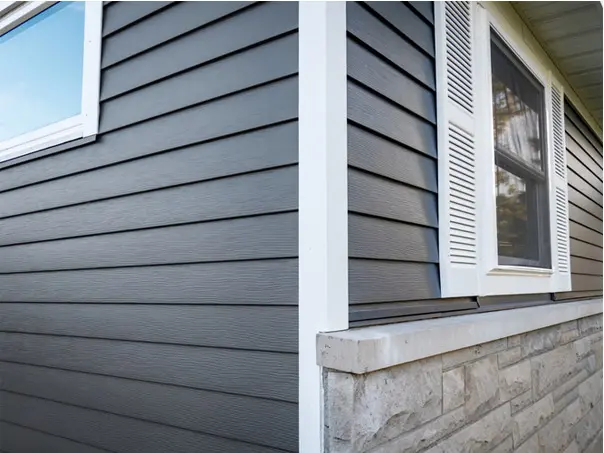
Understanding How Vinyl Siding Protects Your Home
Vinyl siding is the visible exterior cladding installed over a properly prepared wall assembly. It helps shed ordinary rain and weather exposure, but the siding itself is not the only water-control layer protecting the home. Water-resistive materials, flashing and proper detailing around openings remain essential.
When siding becomes cracked, loose or warped, homeowners should investigate both the visible panel and the reason the damage developed. A cracked section may have been struck by hail or another object. Buckling may reflect movement restrictions, excessive heat exposure or installation problems. Moisture around windows may indicate failed flashing rather than defective siding.
Identifying the underlying condition allows the recommended work to address the actual problem. Replacing panels without correcting the cause of repeated damage can leave the homeowner facing the same problem after the repair.
What Makes Vinyl Siding Different from Other Materials?
Vinyl siding responds to changes in temperature by expanding and contracting. That movement affects how the panels must be fastened, how they engage with trim and how much clearance is required at corners, openings and other transitions.
Wood siding, fiber cement and engineered wood have their own installation and maintenance requirements. Those materials should not be treated as interchangeable with vinyl. The selected product determines the fasteners, trim accessories, movement allowances and finishing details required for the job.
If you are still comparing different siding materials, visit our popular siding options Denver guide . This page focuses specifically on vinyl siding installation, repair and replacement services.
Should You Repair or Replace Damaged Vinyl Siding?
The correct answer depends on the type of damage, how much siding is affected and the condition of the material surrounding the damaged area. Some homeowners need only a few panels replaced. Others may have widespread deterioration or installation problems that make a larger replacement more practical.
A repair should restore the affected area without creating new weaknesses. Replacement should address broader deterioration or system-wide installation failures. Both decisions require considering the condition of the underlying wall.
Cracked Vinyl Panels
Hail, equipment or other impacts can crack or puncture individual panels. Small, isolated areas may be candidates for replacement when matching material is available.
Loose or Rattling Siding
Panels can become loose because of damaged locks, improper fastening or deteriorated trim. The attachment and nearby material should be evaluated before repair.
Warped or Buckled Siding
Wavy siding may indicate restricted panel movement, heat exposure or previous installation mistakes. Replacing the visible pieces alone may not correct the problem.
Discontinued Siding Colors
Older siding colors and profiles may no longer be available. Repair planning should account for differences in color, texture and material appearance.
Storm and Hail Damage
Severe storms can damage individual walls or selected elevations. Proper inspection determines whether damage is isolated or extensive.
Moisture Behind Siding
Water intrusion near windows, doors and penetrations may damage materials behind the siding. Those conditions should be corrected before the finish is restored.
When Is Individual Vinyl Siding Repair Appropriate?
Individual panel replacement may be appropriate when the damage is limited, the remaining siding is sound and compatible replacement material can be obtained. A repair can be practical for impact damage, broken corners or isolated failures that have not affected the entire wall system.
Repairability is also influenced by the flexibility of surrounding material. Older vinyl may become brittle, especially after years of sun and weather exposure. Attempting to remove one damaged panel can sometimes damage adjacent pieces. That risk should be discussed before the repair begins.
When Does Complete Vinyl Siding Replacement Make Sense?
A full replacement may be justified when large sections are damaged, siding has become excessively brittle, the existing installation repeatedly fails or matching material is unavailable. Significant wall deterioration may also affect the scope of the project.
The choice should not be based only on the number of damaged panels visible from the street. Wall condition, access, manufacturer requirements and future repairability all matter. A carefully planned replacement can resolve widespread problems, while an unnecessary replacement can create avoidable expense.
Proper Vinyl Siding Installation for Denver Homes
Installing vinyl siding correctly requires more than attaching panels to a wall. Fastener placement, starter-strip alignment, trim channels, movement clearances, flashing and wall preparation determine how the finished system performs.
Vinyl panels are designed to move as temperatures change. Fastening them too tightly can restrict movement and contribute to distortion. Installing them incorrectly or failing to secure them properly can create wind-related problems.
Starter Strip Alignment
The starting course establishes alignment for the siding above it. The proper starter strip must be installed according to the selected product's requirements. Poor alignment can affect the entire wall appearance.
Fastener Placement
Vinyl siding generally uses designated fastening slots that allow panel movement. Approved fasteners, spacing, penetration and clearances must follow the manufacturer's instructions.
Window and Door Flashing
Openings are common locations for moisture problems. Flashing and water-resistive materials must direct water away from vulnerable wall components before the siding is installed.
Expansion and Contraction
Vinyl expands during warmer conditions and contracts when temperatures fall. The installation must provide the movement clearances specified for the product.
Exterior Trim and Corners
Corners, J-channels, utility blocks and other accessories must be appropriate for the selected siding system. Properly finished details protect the overall appearance and function.
Wall Preparation
Existing damage, deteriorated sheathing and known moisture problems should be addressed before new siding conceals the wall. Installing new cladding over unresolved damage is not a dependable repair strategy.
Why Vinyl Siding Needs to Move
Unlike siding materials that may be rigidly fastened under their own product instructions, standard horizontal vinyl siding typically relies on a fastening method that permits limited movement. The amount of movement depends on panel length, product characteristics and temperature conditions.
When installers drive fasteners too tightly, position them incorrectly or fail to leave necessary clearance at trim, panels may be unable to move as designed. This can cause the surface to ripple or distort as the temperature changes. Proper installation follows the actual manufacturer's requirements rather than a guessed universal measurement.
Water Management Behind Vinyl Siding
Vinyl siding sheds water at the exterior surface, but water can reach behind cladding through joints, openings and weather exposure. The wall assembly must manage that moisture through appropriate barriers, flashing and drainage details.
Particular attention should be given to windows, doors, utility penetrations, roof-to-wall intersections and other transitions. These are locations where incomplete installation details can allow moisture to reach vulnerable materials.
Homeowners comparing proposals should ask whether wall preparation, flashing, replacement of damaged material and finishing accessories are included. The visible vinyl is only one component of the completed project.
How Denver Weather Affects Vinyl Siding
Denver homes experience substantial temperature changes, high-elevation sunlight, strong winds, freezing conditions and periodic severe hailstorms. These conditions make material selection and installation details important.
A vinyl siding product that performs well depends on proper installation and exposure conditions. No siding should be represented as completely resistant to every hail impact or weather event.
Hail Damage
Large or wind-driven hail can crack, puncture or break vinyl siding. Damage may vary by elevation and product age. Inspect individual panels, trim and surrounding exterior components.
Wind Exposure
Strong wind can reveal loose panels, broken locking edges and inadequate fastening. Movement, rattling or lifting sections deserve attention before additional damage occurs.
Solar Heat
High temperatures and localized reflected sunlight can contribute to heat-related distortion. The actual cause should be investigated rather than assuming all warped siding has the same problem.
Freezing Temperatures
Cold conditions can affect how older panels respond to physical impact. Repairs should account for existing material condition and manufacturer handling requirements.
Why Ernie's Gutter Does Not Recommend Painting Vinyl Siding
Ernie's Gutter has a clear contractor recommendation: do not paint vinyl siding, whether the painting would be performed by a homeowner or a professional. Factory-finished vinyl is manufactured with specific material and finish characteristics. Changing that finish can introduce avoidable problems.
Darker paint colors may increase solar heat absorption and contribute to heat-related distortion under certain conditions. Coating maintenance, adhesion, product limitations and possible warranty restrictions are additional concerns.
Specialty coatings formulated for vinyl siding do exist, but Ernie's Gutter does not recommend relying on painting as the preferred approach to changing the exterior color of an aging vinyl siding system.
A homeowner seeking a different color should investigate replacement with an appropriate factory-finished product when practical. Existing product condition, wall exposure and the intended color should all be considered.
How to Recognize Heat-Related Vinyl Siding Problems
Heat-related distortion may appear as ripples, uneven courses, buckling or areas that no longer lie flat against the wall. The condition may be localized or spread across larger sections.
However, visible warping alone does not establish that paint caused the damage. Restricted movement, reflected sunlight, installation errors and other factors can produce similar symptoms. A proper evaluation identifies the contributing conditions before recommending replacement.
How We Evaluate Vinyl Siding Installation and Repair Projects
Every vinyl siding project should begin with an understanding of the property and the reason work is needed. A small impact repair does not require the same scope as a complete exterior replacement.
Inspect the Existing Exterior
Review siding panels, corners, openings, trim and visible wall conditions. Identify the location and extent of damage or installation problems.
Determine the Likely Cause
Consider impact damage, wind exposure, restricted movement, aging and potential moisture problems. Evaluate related exterior components where appropriate.
Recommend Repair or Replacement
Explain whether a limited panel repair is practical or whether material condition and damage justify a larger replacement scope.
Review Materials and Preparation
Confirm the selected siding product, color, profile, accessories and required wall repairs. Account for flashing and movement requirements.
Complete the Approved Work
Install or replace materials according to applicable product requirements. Maintain proper alignment, fastening, trim and water-management details.
Review the Finished Installation
Inspect accessible finished details, repaired sections, openings and transitions. Discuss the appropriate ongoing care for the selected siding.
How Vinyl Siding Connects with Gutters and Fascia
Vinyl siding is part of the broader building exterior. Roof runoff is collected by gutters and carried through downspouts. Fascia, soffit, roof edges and trim all influence the conditions around exterior walls.
An overflowing gutter can repeatedly wet siding and adjacent trim. Damaged fascia may create gutter attachment problems. Poorly detailed roof-to-wall transitions can allow moisture to reach materials behind the siding.
These connections matter when they affect a vinyl siding project. They do not mean every siding repair requires gutter or fascia replacement. The goal is to identify actual contributing problems and address them as needed.
What Affects Vinyl Siding Installation and Replacement Costs?
Vinyl siding costs depend on the total wall area, building height, access, selected product, existing material removal and the amount of trim and finishing required. Wall condition can also affect the final scope.
A straightforward single-story wall is different from a taller home with numerous windows, gables, exterior projections and difficult access. Labor, preparation and accessory requirements change with the project.
Removing older siding may uncover concealed moisture damage or deteriorated sheathing. Necessary repairs should be addressed before the replacement material is installed.
Compare complete written scopes rather than material prices alone. An estimate should explain what is included, how damaged underlying materials will be handled and which accessories and finishing details are required.
Targeted Vinyl Siding Repair
Targeted repairs can be practical when damage is limited, matching materials are available and the remaining siding is in sound condition.
The repair should include any necessary corrections to fastening, trim or related wall details in the affected area.
Complete Vinyl Siding Replacement
Replacement may be justified when significant areas are damaged, existing panels have become brittle or repeated installation failures affect the system.
Planning should include removal, material selection, wall preparation, accessories and finishing requirements.
Maintaining Vinyl Siding After Installation
Vinyl siding generally requires less routine finishing than painted wood, but it still benefits from appropriate maintenance. Inspect exposed walls, corners and trim for cracking, looseness or changes in appearance.
Follow the manufacturer's recommended cleaning methods. Avoid cleaning techniques that force water into openings or behind panels. Be careful when placing ladders against the exterior or operating equipment near siding.
After severe storms, inspect accessible areas for visible impact damage and loose components. Timely repairs can help prevent minor problems from becoming more extensive.
Vinyl Siding Services Throughout Denver Metro
Ernie's Gutter serves Denver Metro communities, including Denver, Aurora, Lakewood, Arvada, Englewood, Littleton, Westminster and Wheat Ridge. Exterior conditions differ from one property to another, even within the same neighborhood.
Older homes may have previous siding repairs, modified windows or exterior changes that require extra attention. Newer construction may present different product and installation considerations.
Regardless of the location, the correct recommendation depends on the building's existing condition, the selected material and the scope of work.
Helpful Vinyl Siding and Exterior Resources
For additional technical information about exterior wall systems, the U.S. Department of Energy Building America Solution Center offers educational guidance concerning construction details and moisture management. Individual siding products should always be installed according to their manufacturer's instructions.
Vinyl Siding Denver Frequently Asked Questions
1. Can damaged vinyl siding be repaired?
Yes. Individual vinyl panels can sometimes be replaced when damage is isolated and matching material is available. Older, brittle panels and concealed wall problems may affect repairability.
2. When should vinyl siding be replaced?
Replacement may be appropriate when siding is extensively damaged, brittle, repeatedly buckling or failing across multiple areas. A property evaluation helps determine whether repair remains practical.
3. Can hail damage vinyl siding in Denver?
Yes. Severe hail can crack, puncture or break vinyl siding, particularly older materials that have become brittle. Damage should be documented before recommending repairs or replacement.
4. Why does vinyl siding warp or buckle?
Warping or buckling can result from excessive heat exposure, reflected sunlight, restricted panel movement or improper installation. The actual cause should be evaluated before replacing damaged panels.
5. Should vinyl siding be painted?
Ernie's Gutter recommends against painting vinyl siding, whether by homeowners or professional painters. Heat-related distortion, additional maintenance and potential warranty concerns are among the reasons.
6. Can vinyl siding be installed over damaged wood?
Known deteriorated or water-damaged materials should be corrected before new siding is installed. Covering a damaged wall does not resolve the cause of deterioration.
7. How long does vinyl siding installation take?
The schedule depends on the size of the home, wall access, removal requirements, material availability, trim complexity, necessary repairs and weather.
8. Does vinyl siding require maintenance?
Yes. Vinyl siding is generally low maintenance, but periodic cleaning, inspection and prompt repair of damaged panels remain important.
9. Can overflowing gutters damage vinyl siding?
Overflowing gutters may repeatedly wet siding, trim and surrounding wall components. Related moisture problems should be corrected when they contribute to siding deterioration.
10. Does Ernie's Gutter evaluate vinyl siding and exterior trim?
Yes. A vinyl siding evaluation may include visible siding, corners, windows, fascia, soffit and related water-management details where they affect the project.
Need Vinyl Siding Repair or Replacement in Denver?
Find out whether your exterior needs a targeted repair or a properly planned replacement. Ernie's Gutter can evaluate visible siding conditions and discuss your options.
720 346 ROOFFamily Owned Since 1978.
We Do It Seamless.
Protection starts at the top of the home.
This page provides general educational information about vinyl siding installation, repair and replacement. Actual conditions, material performance, manufacturer requirements, permits, pricing and project scope depend on the individual property. General information does not replace a property-specific evaluation or manufacturer installation instructions.