Types of Vinyl Siding
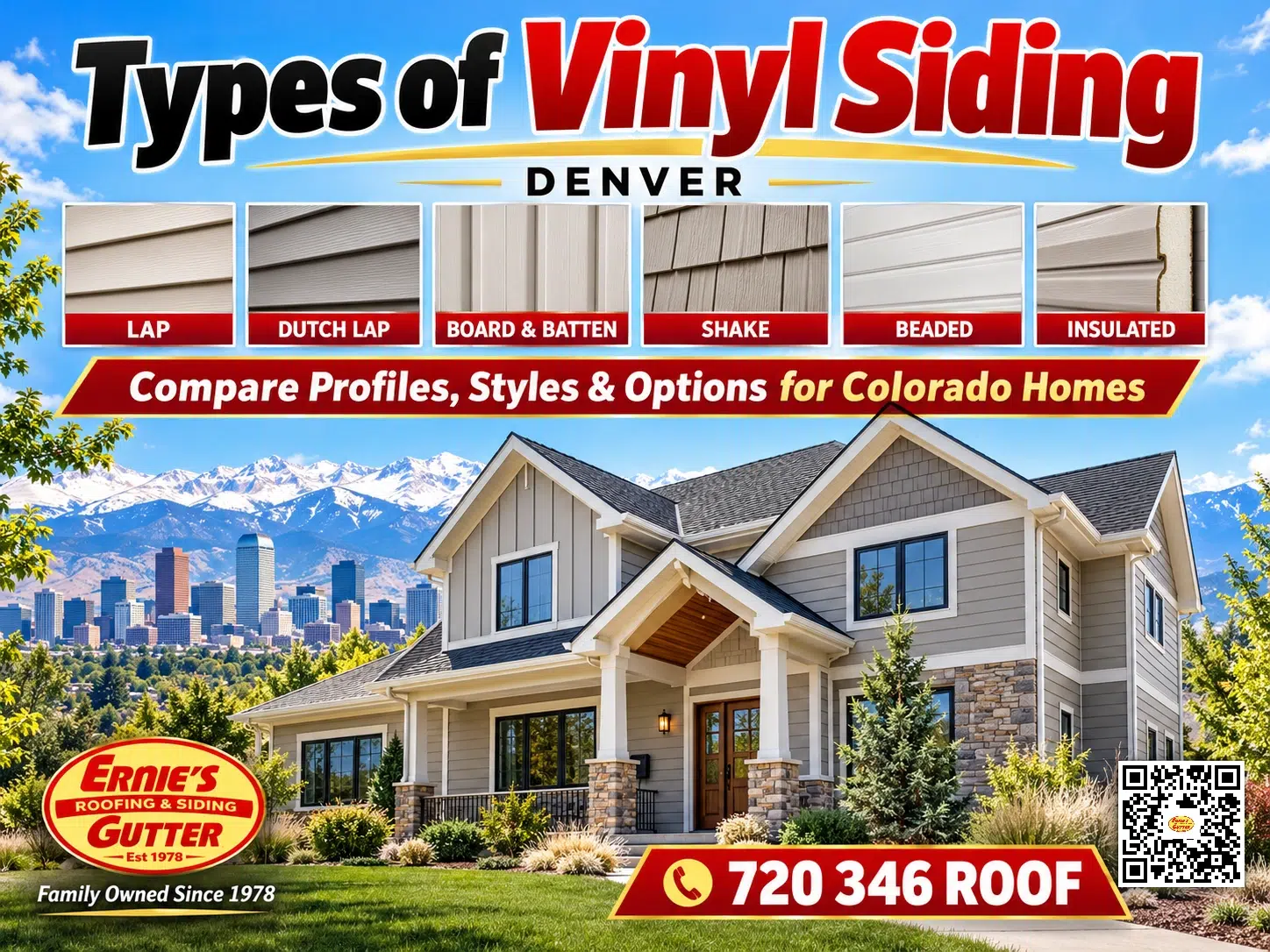
What types of vinyl siding are best for Denver, Colorado homes? Compare traditional lap, Dutch lap, board and batten, shake, beaded and insulated vinyl siding before choosing a product for your exterior.
Featured Answer: The main types of vinyl siding include horizontal lap, Dutch lap, board and batten, shake and shingle, beaded profiles, and insulated vinyl panels. Denver homeowners should compare panel appearance, thickness, fastening systems, color availability, maintenance, weather exposure and manufacturer specifications before selecting the best vinyl siding type for their house.
Third-generation family contractor. Denver Metro exterior experience since 1978.
Understanding the Different Types of Vinyl Siding
When homeowners ask about the types of vinyl siding available, they may be comparing several different things. Some are thinking about the horizontal or vertical direction of the panels. Others are comparing textures, colors, insulated products or panel thickness. Those choices are related, but they are not the same.
The appearance is called the profile or style. The product's specifications describe its physical construction, fastening system and other performance characteristics. Two samples that look nearly identical may have different accessory requirements, thicknesses, warranties and installation instructions.
This is especially important when comparing siding for a Denver home. Strong sunlight, high temperatures on exposed walls, cold winters, wind and occasional severe hail all deserve consideration. Selecting a profile based only on a small color sample ignores the conditions the finished material will experience.
Three Things to Compare
A good product choice considers all three rather than choosing solely on appearance or price.
Vinyl Siding Style Is Not the Same as Vinyl Siding Quality
A Dutch lap panel, for example, is identified by its decorative recessed appearance. That description alone does not establish the panel's thickness, quality, warranty or suitability for an individual home. Different manufacturers can produce similarly styled panels with substantially different specifications.
Insulated vinyl siding is a different kind of distinction. It generally refers to a siding product with an attached insulating backing. Insulated products may themselves have horizontal lap or other appearances. Insulation and style should therefore be evaluated separately.
Homeowners can simplify the decision by first deciding what the house should look like and then comparing the products that can produce that appearance. The actual product specifications should guide the final selection.
Horizontal Lap, Dutch Lap and Board-and-Batten Vinyl Siding
These three profiles illustrate some of the main appearance differences homeowners encounter when researching vinyl siding. Horizontal lap produces familiar parallel courses. Dutch lap adds a more prominent shadow detail. Board and batten creates a vertical appearance.
Traditional Lap Vinyl Siding
Traditional lap siding is among the most familiar exterior styles for residential houses. Panels run horizontally across the wall and create a conventional overlapping appearance.
This profile can work on Denver ranch houses, split-level properties, traditional two-story homes and additions where a simple appearance is desired.
Course exposure and panel configuration affect the number of visible lines on the finished wall. Compare real samples rather than deciding by a product name.
Dutch Lap Vinyl Siding
Dutch lap siding also runs horizontally, but a recessed or sculpted detail creates a stronger shadow line beneath each course.
Some homeowners prefer Dutch lap when ordinary horizontal siding looks too plain on a large exterior wall. The profile can add depth without introducing another siding direction.
Dutch lap is an appearance choice rather than an automatic upgrade in material quality. Compare the selected product's thickness, locking design and accessories separately.
Board-and-Batten Vinyl Siding
Board-and-batten siding creates the appearance of wide vertical boards separated by narrower raised strips. Modern vinyl products reproduce that traditional look using manufactured panels.
This style works well on selected gables, entries and contemporary or farmhouse-inspired architecture. It can also be used over larger wall areas when the building design supports it.
Vertical products may have installation details that differ from ordinary horizontal vinyl. Follow the specific product's instructions.
Choosing Between Horizontal and Vertical Vinyl Siding
The direction of the siding influences how a house appears from the street. Horizontal lines can emphasize the width of a building. Vertical lines can draw the eye upward and make certain sections appear taller.
A ranch home with a long horizontal roofline may look balanced with one consistent horizontal profile. A house with a prominent front gable may support board and batten as an accent. Neither arrangement is automatically correct for every house.
Consider window placement, existing stone or brick, roof shape and trim. These features should determine whether a change in siding direction makes architectural sense. More styles do not necessarily produce a better exterior.
Shake, Shingle, Beaded and V-Groove Vinyl Siding
Specialty vinyl profiles give homeowners additional design choices beyond standard horizontal lap siding. These products can be attractive on architectural accent areas, but they should be selected for a clear reason rather than simply because they are available.
Vinyl Shake Siding
Vinyl shake siding is manufactured to resemble individual wood shakes. The surface may have a molded wood-grain texture or more irregular-looking edges depending on the product.
Shake profiles can add texture to gables, dormers, front entrances and other selected architectural features. On some houses, a limited accent creates greater visual interest than using a textured product across every wall.
Manufactured shake panels should be compared for texture, dimensions, color, installation details and the availability of matching replacement materials.
Vinyl Shingle and Scalloped Siding
Vinyl shingle products reproduce the appearance of individual shingles. Some specialty products have rounded or scalloped bottom edges associated with traditional decorative architecture.
These styles may suit selected gables, dormers or decorative sections where ordinary horizontal lap appears too simple. They are not necessary for every home.
Homeowners should consider how specialty shapes fit around windows, corners and transitions. Accessories and replacement availability may be more limited than common siding profiles.
Beaded Vinyl Siding
Beaded siding uses a distinctive rounded detail along the lower edge of a horizontal course. The bead creates a fine shadow line and gives the wall a more decorative finish.
This profile can be attractive on traditional homes and selected porch or architectural areas. Its appearance is different from the deeper recessed shadow of Dutch lap.
Compare bead size, course exposure, color availability and compatible trim components before choosing a product.
V-Groove Vinyl Siding
V-groove designs create a defined linear channel where panel surfaces meet. Depending on the manufacturer, the effect may be used for particular horizontal or specialty panel configurations.
The sharper line gives a different visual impression from the softer rounded detail of beaded siding. The effect is primarily architectural.
Confirm that a particular V-groove appearance is available in the intended vinyl product line, rather than assuming every manufacturer offers it.
What Is Insulated Vinyl Siding?
Insulated vinyl siding generally combines a vinyl exterior panel with an attached insulating backing. Depending on the product, that backing can provide additional rigidity and some thermal benefit compared with an otherwise similar uninsulated assembly.
Insulated siding is not automatically the best solution for every house. The actual thermal performance depends on the tested product and the entire wall assembly. Installation details, insulation fit, trim dimensions and replacement methods can differ from conventional vinyl products.
Homeowners comparing insulated and conventional vinyl siding should review documented product performance, installed cost, manufacturer instructions and whether the intended improvement addresses an actual need. Do not assume every insulated siding panel delivers the same energy savings.
This distinction is important because insulated siding describes how the product is constructed, while Dutch lap or horizontal lap describes how a panel looks. A homeowner can therefore compare insulation and style as separate decisions.
Vinyl Siding Types Comparison Chart
Use this chart to understand what makes the common vinyl profiles different. It describes general appearance and use, not guaranteed durability or a ranking of manufacturers.
| Vinyl Type | Appearance | Common Design Use | What to Compare |
|---|---|---|---|
| Traditional Lap | Simple horizontal courses | Main walls and traditional exteriors | Course exposure, panel grade, matching |
| Dutch Lap | Horizontal with deeper shadow detail | Traditional homes needing visual depth | Profile shape, thickness, accessories |
| Board and Batten | Strong vertical lines | Gables, accents, farmhouse designs | Vertical installation and trim details |
| Shake | Textured cedar-shake appearance | Gables, dormers and accents | Texture, color and replacement panels |
| Beaded | Rounded horizontal edge detail | Traditional decorative exteriors | Bead detail, course width, availability |
| V-Groove | Defined narrow groove lines | Selected specialty applications | Product availability and compatibility |
| Insulated Vinyl | Varies by exterior profile | Projects considering backed panels | Documented thermal performance and cost |
Vinyl Siding Thickness, Panel Grade and Locking Systems
Two siding estimates may both list vinyl siding yet specify different products. Homeowners should compare the actual panel, not just the description on a proposal. Panel thickness, configuration, finish, attachment system and accessory package may all vary.
Thickness can affect the feel and appearance of a panel, but thickness alone does not guarantee performance. Product design, material formulation, fastening, installation and wall conditions also matter. A thicker panel installed incorrectly can still experience preventable problems.
Panel Thickness
Ask for the manufacturer's actual published thickness specifications. Compare equivalent products rather than relying on general terms such as premium or contractor grade.
Locking Design
Vinyl panels use engagement details designed for the product. Correct locking and fastening are important to the finished wall's appearance and weather performance.
Fastening Requirements
Fasteners, placement, spacing and clearances must follow manufacturer instructions. Restricting the movement of standard vinyl siding can contribute to visible distortion.
Colors and Accessories
Corner pieces, starter strips, trim and utility accessories should match the approved product system. Future replacement availability is also worth considering.
Why a More Expensive Vinyl Panel Is Not Automatically Better
A higher price may reflect a different product construction, specialty color, insulation, texture or accessory system. However, pricing alone is not evidence of better long-term results. The selected material should be suitable for the house and installed as required.
Ask what is actually included. Some proposals may cover removal and disposal, while others may not. Window flashing, corner trim, wall preparation and repairs to damaged underlying materials can also change the full project scope.
This guide helps homeowners compare the products. For a property-specific installation or replacement evaluation, the appropriate service owner is our Vinyl Siding Denver page.
Which Vinyl Siding Types Make Sense for Colorado Weather?
Colorado weather should influence the selection of any exterior product. Denver homes experience intense sunlight, cold periods, wind, temperature fluctuations and occasional severe hailstorms. Those conditions affect what homeowners should ask about before choosing vinyl siding.
No vinyl siding profile should be assumed hailproof. Severe impacts can damage panels, and older material may be less flexible than when originally installed. Repairability and the availability of matching replacement components are sensible subjects to discuss.
Sunlight is another important consideration. Exposed walls may become very warm, and concentrated reflected sunlight can produce localized heating. Proper product selection and installation clearances help avoid preventable distortion, but unusual exposure conditions deserve separate attention.
High winds can expose improperly secured siding or weakened locking details. Installation instructions and local requirements should be followed for the actual product and project conditions.
Should You Paint Vinyl Siding to Change Its Color?
Ernie's Gutter does not recommend painting vinyl siding, whether the work would be performed by a homeowner or a professional painter. That is our contractor recommendation based on the risks and long-term maintenance concerns involved.
Painting may introduce additional coating maintenance, product compatibility issues and potential warranty complications. Darker colors can absorb more solar heat and may contribute to distortion in some conditions. Specialty vinyl-compatible coatings exist, but their existence does not change Ernie's recommendation.
For a substantial color change, consider whether a suitable factory-finished replacement material would provide a more predictable long-term outcome. Existing siding condition and wall exposure should guide the decision.
Why Matching Replacement Vinyl Siding Can Be Difficult
Vinyl siding colors and profiles can change between product generations. Even when a manufacturer continues to offer a similar color, weathering on an older wall may make a new replacement panel noticeably different.
Profiles can also be discontinued. An unusual bead, locking configuration or specialty trim may become difficult to match in later years. Homeowners considering a specialty product should ask about replacement availability and retain the actual product information.
If a house has extensive existing siding damage, the ability to make isolated repairs may influence the material decision. That is a practical concern, especially when planning for future storm-related repairs.
How to Choose the Right Type of Vinyl Siding
The most useful way to compare vinyl siding is to work through a few separate decisions instead of treating every product feature as the same thing. This prevents a homeowner from selecting an attractive panel before understanding whether the product fits the house.
Start with Your Home's Architecture
Review the roofline, wall proportions, windows, existing masonry and trim. Decide whether horizontal, vertical or textured siding complements the building.
Choose the Desired Profile
Compare traditional lap, Dutch lap, board and batten, shake and specialty profiles. Limit accent styles to places where they improve the home's appearance.
Compare Actual Manufacturer Products
Review documented panel thickness, dimensions, locking system, finish options, insulation and compatible accessories. Do not compare vague sales labels alone.
Consider Denver Weather Exposure
Evaluate exposed elevations, sun and reflected heat, hail exposure, wind and the product's documented limitations. No profile eliminates every weather risk.
Understand Wall Preparation
Review existing siding, trim, windows, water-resistive materials and known moisture problems. Required repairs should be addressed before installing a new finish.
Compare the Complete Installed Scope
Include material, accessories, removal, disposal, fastening, flashing, finishing and warranty terms. The correct decision involves the entire project rather than panel price alone.
What About Fascia, Gutters and Exterior Water Control?
Vinyl siding should not be used to conceal damaged wall materials or unresolved water problems. If existing gutters overflow or roof-edge trim is deteriorating, those conditions deserve attention before the siding project is completed.
That does not mean a homeowner shopping for vinyl siding automatically needs new gutters. It means exterior systems should be evaluated where their condition affects the siding or the underlying wall. Keeping this guide focused on vinyl products also helps avoid confusing separate service decisions.
Vinyl Siding Types for Denver Metro Homes
Denver, Aurora, Lakewood, Arvada, Littleton, Englewood, Wheat Ridge and surrounding communities contain many different residential styles. A product suited to one property may be less attractive or practical on another.
Older ranch houses may look natural with a consistent lap siding profile. Modern homes may accommodate selected vertical details. Gables and dormers can provide appropriate locations for shake-style accents.
Good design and durable construction are separate goals that should work together. Choose an appearance that complements the architecture, then verify that the selected product and installation approach suit the actual property.
More Information About Vinyl Siding and Denver Exteriors
The following resources explain related subjects without changing this article's purpose. This page is for vinyl profile and product comparisons. The completed service pages remain responsible for installation, repairs and contractor selection.
Technical Information and Manufacturer Specifications
Homeowners researching siding products can consult the Polymeric Exterior Products Association for industry information about polymeric exterior products. The actual manufacturer's published instructions and specifications should control the installation of a selected product.
Do not assume that all vinyl panels share the same performance ratings, warranty coverage or attachment requirements. Confirm those details for the exact product being proposed.
Types of Vinyl Siding Frequently Asked Questions
1. What are the main types of vinyl siding?
Common types include traditional horizontal lap, Dutch lap, board and batten, shake and shingle, beaded and other specialty profiles. Insulated vinyl siding describes a product construction rather than one specific visual style.
2. What is the most common type of vinyl siding?
Traditional horizontal lap siding is a familiar and widely used residential appearance. Its simple lines suit many house styles, but the best choice depends on the property.
3. What is the difference between Dutch lap and regular lap siding?
Both profiles run horizontally. Dutch lap includes a distinctive recessed detail that creates a stronger shadow. Regular lap generally has a simpler appearance.
4. Can board-and-batten siding be made from vinyl?
Yes. Manufactured vinyl products can reproduce the vertical board-and-batten appearance. Products should be compared for installation requirements, trim compatibility and available profiles.
5. Is vinyl shake siding suitable for gables?
Vinyl shake siding is commonly considered for gables, dormers and decorative sections. It can add texture without requiring the entire house to use the same profile.
6. Is insulated vinyl siding better than standard vinyl?
Not automatically. Insulated products have additional backing and may provide specific benefits, but performance depends on the actual tested product, wall assembly and installation. Compare published specifications and cost.
7. Does vinyl siding thickness matter?
Thickness is one useful specification, but it does not independently establish quality. Product design, formulation, locking details, fastening and correct installation also matter.
8. Which type of vinyl siding handles Denver hail best?
There is no universal hailproof vinyl profile. Compare manufacturer testing, product specifications, condition and repairability. Severe hail may damage many siding products.
9. Should vinyl siding be painted?
Ernie's Gutter does not recommend painting vinyl siding, whether by homeowners or professional painters. Heat-related distortion, ongoing coating maintenance and possible warranty complications are among the concerns.
10. How should I compare vinyl siding estimates?
Compare the exact product, profile, thickness, installation instructions, trim package, wall preparation, removal, repair provisions and warranty. Evaluate the complete work scope, not material price alone.
Know Your Vinyl Siding Options Before You Buy
Compare the profile, panel construction and long-term maintenance requirements. Then choose the siding product that makes sense for your Denver home.
720 346 ROOFFamily Owned Since 1978.
We Do It Seamless.
Protection starts at the top of the home.
This page provides general educational information about vinyl siding profiles, materials, construction and product comparisons. Actual suitability, installation requirements, tested performance, warranty coverage and project costs depend on the exact manufacturer product and property conditions. Consult current manufacturer instructions and applicable local requirements before making construction decisions.