
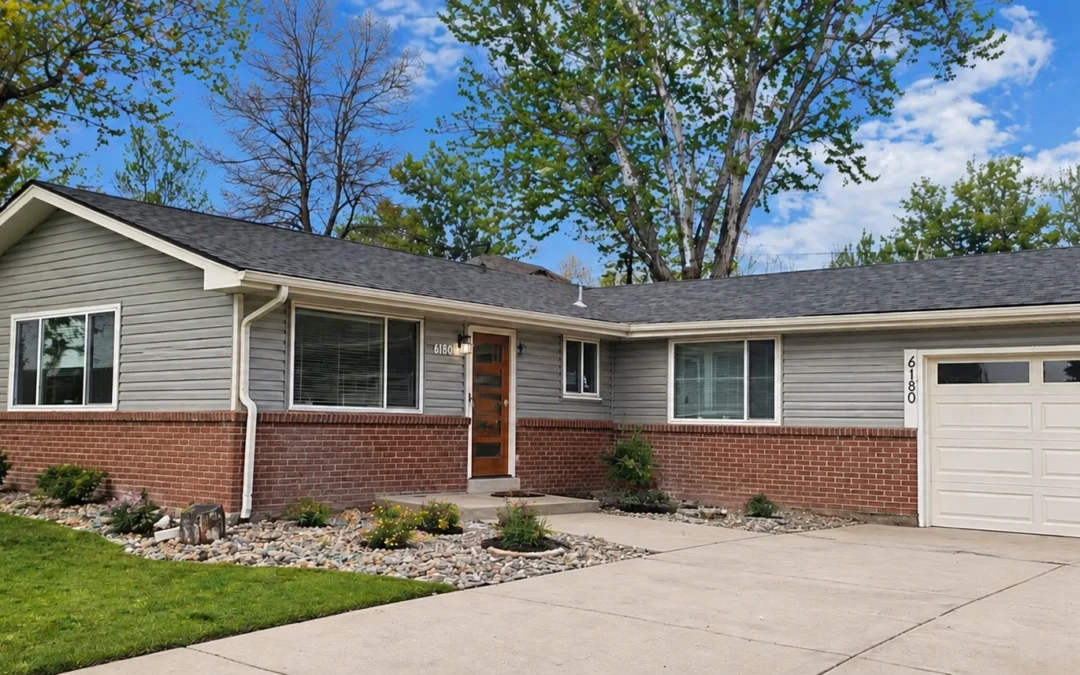
Vinyl, Aluminum and Sound Wood
Soffit Fascia Wrap Denver
Soffit Fascia Wrap Denver homeowners consider can freshen tired roof edges without replacing sound wood. This information guide from Ernie’s Gutter, a third-generation family contractor serving Denver since 1978, explains vinyl versus aluminum, what wrapping can conceal and what must be corrected first.
Vinyl soffit panels and aluminum fascia wrap can give weathered eaves a cleaner appearance and reduce exposed surfaces that need repainting. They do different jobs. Neither restores rotten wood, fixes an active leak or provides structural support for gutters. Inspect the backing, correct failures and preserve required ventilation before covering the surface.
Third-generation family contractor. Serving Denver Metro since 1978.
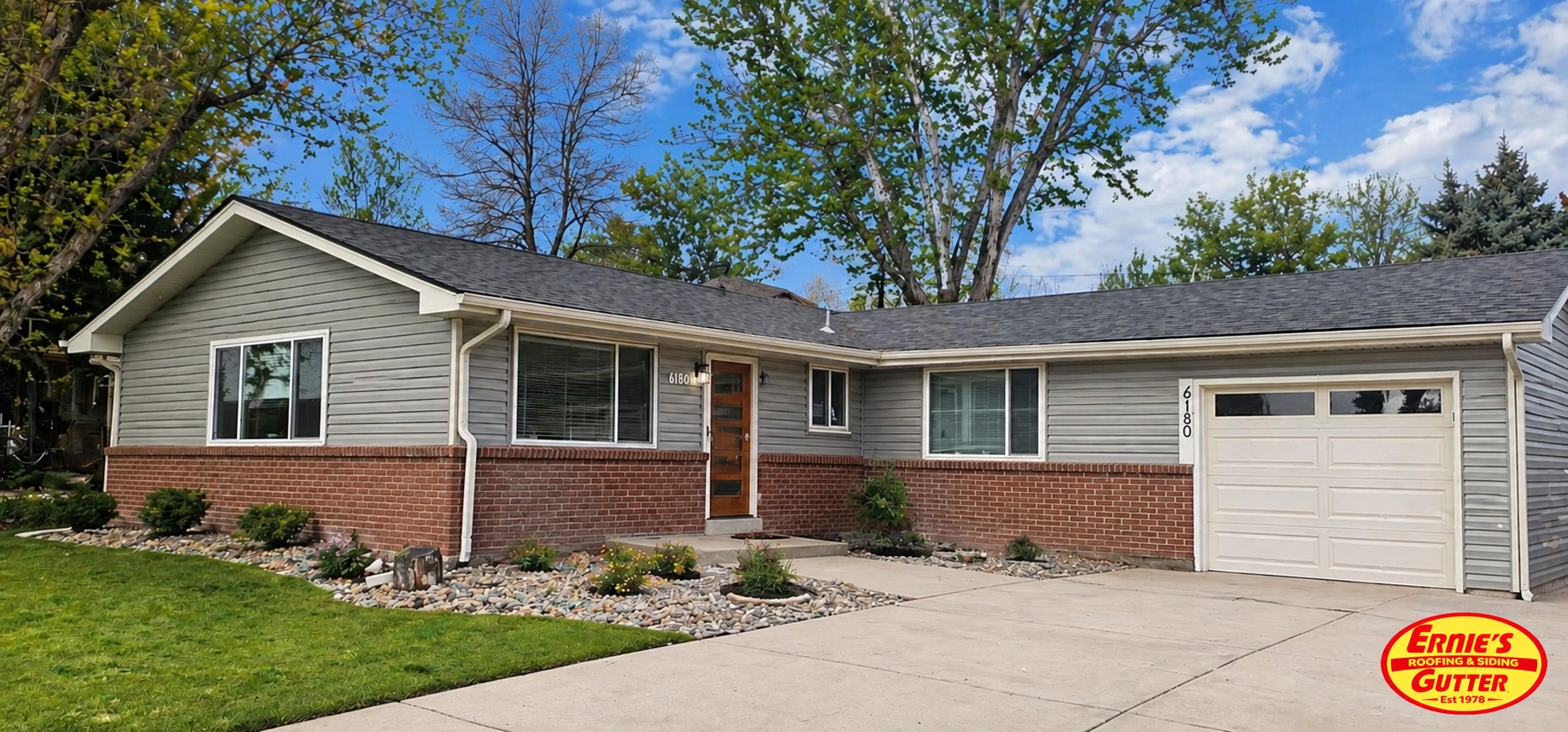
Soffit Fascia Wrap Denver: A Fresh Finish Over the Right Foundation
If this is your first time hearing this, soffit and fascia are two different areas of the roof edge. The soffit is the underside of the overhang. The fascia is the vertical edge commonly found behind the gutter. A fascia board, its metal covering and the gutter fasteners should not be treated as one interchangeable part.
Wrap usually refers to a finish covering installed over an existing surface. Aluminum trim can be formed to fit the face and returns of a sound fascia board. Soffit panels close in the underside of the eave. The product selected for one location does not automatically determine the product used at the other.
An older home can look worn out while much of its wood still has useful life. Peeling paint, uneven color and weathered grain may make the roofline look neglected from the street. After inspection and necessary preparation, a suitable covering can provide a cleaner finish without tearing out every board simply because it looks old.
Fresh Appearance, Honest Scope
Covering a serviceable surface is a finish improvement. Covering a failed surface without correcting it is a concealed problem.
The sensible approach is to identify what remains sound, repair what has failed and choose a covering that fits the existing construction.
This page concentrates on material choices and the difference between a cosmetic improvement and a real repair. For the service itself, see our soffit and fascia wrap service page. For a larger exterior project, our soffit, fascia and vinyl siding overview connects those related scopes.
Vinyl Soffit Versus Aluminum Soffit and Fascia Wrap
The first question is where the material will go. Comparing a vinyl soffit panel with custom-bent aluminum fascia is not a comparison of identical components. One finishes the underside of the overhang; the other covers a vertical board. A home may use vinyl soffit underneath and aluminum fascia at the front as parts of one coordinated assembly.
| Consideration | Vinyl | Aluminum |
|---|---|---|
| Typical discussion | Manufactured soffit panels and compatible trim accessories. | Manufactured soffit panels, fascia covers and formed trim coil. |
| Appearance | Panel profiles and textures selected from the product range. | Panel profiles or formed metal edges, depending on the component. |
| Fit | Needs compatible channels, support and room for movement. | Needs suitable forming, support, fastening and movement details. |
| Ventilation | Solid and vented soffit products serve different conditions. | Solid and vented soffit products also require deliberate selection. |
| What it cannot do | Rebuild damaged backing or correct an unresolved leak. | Restore failed wood or substitute for gutter attachment support. |
Where vinyl makes sense
Vinyl soffit offers manufactured panel profiles for closing the underside of an eave. Selection needs to account for the overhang, available support, receiving channels and whether ventilation is required. The finished surface can reduce the exposed painted wood in that location, but the panels still need a proper assembly behind and around them.
Vinyl moves as temperatures change. Installation needs the clearances and fastening method specified for the particular product. A tight-looking installation on the day it is finished is not enough if the panel has no room to move. This is one reason to select the full accessory system rather than mixing unidentified pieces.
Where aluminum makes sense
Aluminum can be used as a soffit product or as a fascia covering. Trim coil is sheet material supplied in a roll and formed with a bending tool called a brake. That allows a fabricator to create profiles for the board dimensions and returns encountered on the house, instead of assuming one stock shape fits every edge.
Metal does not automatically hide a crooked board. A broad, uneven surface, poorly planned joint or unsuitable fastening pattern can remain noticeable after the work is finished. The quality of the result depends on the backing, profile and installation as well as the material. Product thickness, finish and details should be selected for the actual scope.
For product examples rather than a promise about what your home needs, review the manufacturer’s aluminum soffit information. Final selection should follow the product instructions and the conditions found on your house.
When Wrapping Helps and When It Is Lipstick on a Pig
There is nothing wrong with wanting more eye appeal from the street. Straight, coordinated trim can make an older home look cared for. The problem begins when someone sells a cover as though it repairs everything underneath. A clean outer skin can hide the same leak, weak wood or loose attachment that caused the original trouble.
Weathered but Sound
Peeling paint and rough appearance may be finish issues. Inspect the wood and correct surface or alignment problems before deciding whether it can stay.
Localized Damage
A failed section may need repair or replacement while neighboring sound material remains. Define the affected area instead of assuming every board has failed.
Active or Widespread Failure
Soft wood, recurring wetting, loose components and uncertain attachment need investigation. New covering should follow the correction, not conceal the evidence.
Paint failure alone does not establish rot, and a photograph alone does not establish sound wood. A professional review may include checking moisture patterns, probing suspect areas and opening selected locations when concealed conditions remain uncertain. A quick surface check is useful information, but it is not a guarantee about every part of the assembly.
Nor does every rough spot justify replacing an entire roof edge. The practical goal is to keep material that remains suitable for service and correct the parts that are no longer dependable. If decay or damage is present, its extent and cause determine the repair. Calling it surface weathering without checking is just another form of guesswork.
Ask for the repair allowance and the finish scope to be explained separately. If concealed damage appears after removal, agree on how that additional work will be documented and priced. That conversation protects the homeowner from confusing an attractive finish estimate with a complete guarantee that no hidden repair will be necessary.
Water, Ventilation and Gutter Attachments Still Matter
Before wrapping fascia, trace any recurring water marks. Gutter overflow, a leaking corner, roof-edge flashing details or water traveling behind the gutter may be involved. Covering the stain without finding its source can leave the new trim hiding the same wet area. The cause needs to be part of the inspection and proposed correction.
Preserve the water path
Connections between the roof edge, flashing, fascia covering and gutter need a deliberate arrangement. The finish should not be treated as a substitute for the flashing that directs water. Existing materials may need temporary removal to understand the connection and install the new work correctly. Confirm that scope before comparing two estimates that appear similar.
A gutter that holds standing water or repeatedly overflows also deserves its own review. A new fascia finish will not change the gutter pitch, unblock an outlet or repair a disconnected downspout. Our gutter repair Denver page explains why the visible leak and its underlying cause may require different corrections.
Keep required ventilation functional
Solid and vented soffit panels do different jobs. A vented panel installed beneath a solid surface does not automatically create an open air route. Existing openings, insulation, baffles and the intended roof ventilation arrangement need review. Some roof assemblies have different ventilation designs, so the answer should follow the house rather than a blanket rule.
The Polymeric Exterior Products Association’s soffit installation guide addresses preparation, damaged existing soffit and ventilation considerations. Use the selected manufacturer’s instructions for the actual installation. Adding visible perforations is not the same as confirming that air can travel through the intended route.
Fasten the gutter to suitable backing
Thin finish covering is not structural reinforcement. Gutter hangers need suitable fasteners and dependable backing appropriate to the building and assembly. If the existing gutter is pulling away, the inspection should identify whether the problem involves hangers, fasteners, fascia, subfascia or framing before the surface is covered.
The homeowner should understand which parts are being retained and what has been checked. A new cover can look straight while a weak attachment remains behind it. That is why gutter removal, reinstallation and any supporting repairs should be described in the scope instead of disappearing inside a vague promise to wrap the fascia.
Curb Appeal Without Paying for the Same Work Twice
A successful finish looks intentional. The fascia line, soffit panels, gutter color and adjoining trim should work together. On an older Denver home, a coordinated roof edge can bring order to several years of mismatched paint and patchwork. The aim is a clean appearance that fits the house, not a decorative layer that draws attention to every uneven joint.
Look at the whole elevation
Choose color from physical samples where possible. A phone photograph or computer screen is useful for discussion but can shift the appearance of a finish. Consider the siding, brick, windows and gutters together. Matching the manufacturer’s color name does not guarantee that an aged neighboring material will look identical beside a new piece.
Small details matter from different distances. From the sidewalk, a consistent roofline is prominent. Up close, corners, transitions, cut edges and joints become more noticeable. Ask how the selected profile handles those locations. Custom fabrication can help fit unusual dimensions, but it still needs a reasonable substrate and a planned connection to adjoining materials.
Compare complete estimates
Material cost alone does not establish installed cost. Building height, access, overhang depth, removal, disposal, existing wood condition, forming details and gutter coordination can all change the work. Without inspecting those conditions, a universal price per foot can create the wrong expectation about what is actually included.
Ask whether preparation, damaged wood, ventilation changes and gutter handling are included or separate. Product and workmanship warranty terms should identify the actual materials and agreed work. Lower maintenance does not mean maintenance free: the finished assembly still needs observation, appropriate cleaning and attention when a joint or neighboring component is damaged.
A Practical Inspection and Estimate Checklist
Start with photographs of the full roof edge and close views of the areas that concern you. Point out peeling paint, dark staining, sagging, open joints or a gutter that has moved. Describe whether the problem follows rain, snowmelt or a particular overflow location. That history gives the inspection somewhere useful to begin.
-
Identify the component. Separate soffit panels, fascia boards, metal covering, gutters and nearby trim.
-
Check the backing. Establish what remains serviceable and where further opening or repair is needed.
-
Find the cause. Include recurring water entry, gutter problems and ventilation questions in the review.
-
Select the finish. Confirm material, profile, color, support, accessories and movement details.
-
Define the scope. List removal, wood repairs, installation, gutter coordination and disposal responsibilities.
-
Review before covering. Document concealed corrections while they remain visible, then complete the finish.
Homeowners can observe many warning signs from the ground. Leave elevated probing, removal and work around loose gutters to a crew equipped for those conditions. Do not disturb an unstable section just to obtain a better photograph. Explain the concern so suitable access can be included in the inspection plan.
Insurance Claim Support
Record the Condition
If a storm is involved, retain dated photographs and describe what changed. Separate newly observed damage from older paint failure or deterioration.
Document the Work
Request a clear description of affected components, necessary access and proposed repairs. The estimate should distinguish repair work from an optional appearance upgrade.
Confirm Coverage
Coverage depends on the policy and insurer’s determination. A new wrap is not automatically an insured replacement simply because the home experienced a storm.
Helpful Homeowner Resources
- Soffit and Fascia Wrap Services — the main service page supported by this material guide.
- Soffit, Fascia and Vinyl Siding — coordinating a larger exterior project.
- Gutter Repair Denver — investigating leaks, pitch and loose attachments.
- Vinyl Siding — information about the wall covering, a separate component from soffit and fascia.
Soffit Fascia Wrap Denver FAQs
What is the difference between vinyl soffit and aluminum fascia wrap?
Vinyl soffit panels generally finish the underside of the overhang. Aluminum fascia wrap covers the vertical roof-edge board. Aluminum soffit products are also available. Compare the component and its job before comparing materials.
Can old wood be wrapped instead of replaced?
Yes, when inspection confirms it remains suitable for service and any necessary preparation is completed. Weathered appearance or peeling paint alone does not establish that the entire board must be replaced. Damage and recurring wetting need separate evaluation.
Can fascia wrap cover rotten wood?
It can conceal the appearance, but it does not repair decay or restore strength. Establish the extent and cause of damage, then repair or replace affected material before finishing. Do not assume a new outer cover makes failed wood serviceable.
Does wrapping fascia stop a roof-edge leak?
Not by itself. Water may be coming from flashing, gutter overflow, a joint or another connection. Identify and correct the cause so the covering does not hide an active problem.
Will vented soffit panels improve attic ventilation automatically?
No. The air route behind the panels and the intended roof ventilation design must also work. A vented panel below blocked or solid backing does not automatically create effective ventilation.
Can aluminum fascia support the gutter hangers?
Thin finish covering should not be treated as structural backing. Gutter fasteners need dependable supporting material and an attachment arrangement suited to the assembly. Resolve loose or damaged backing before wrapping.
Can vinyl soffit and aluminum fascia be used together?
Yes, they can form parts of a coordinated assembly when the products, accessories and installation details are compatible. One material does not have to be selected for every roof-edge component.
Which material gives the best curb appeal?
The result depends on profile, color, straight backing, joints and installation quality. Both materials can create a clean appearance. Compare actual samples and connection details instead of assuming the material name guarantees the finish.
Is soffit and fascia wrap maintenance free?
No. It can reduce exposed painted wood, but the completed assembly still needs observation and suitable cleaning. Gutters, joints, ventilation openings and neighboring materials remain part of the maintenance picture.
Where can I request installation or a repair review?
Use the main soffit and fascia wrap service page or call 720 346 ROOF. Explain whether you want less repainting, a cleaner appearance, correction of damaged wood or investigation of a recurring water problem.
Make It Sound Underneath. Make It Look Right Outside.
Use this guide to understand the options, then visit our main service page to discuss the actual condition of your home.
720 346 ROOFProtection Starts At The Top Of The Home
This guide provides general information about materials and roof-edge finishes. Existing conditions, product instructions and applicable requirements determine the appropriate work. Insurance coverage and warranty terms depend on the relevant policy, product and written agreement.
What’s New on The Blog
Customized Torch Down
"] Lantern Down Ernie's Gutter has actually been Serving Denver Since 1978 as well as has actually left a path of pleased clients. We are the masters of lantern down roof Denver, a sturdy procedure for level roof coverings that needs focus as well as experience to...
Vinyl Windows Replacement
Vinyl Windows Replacement can be something you'll need to do at some point as you possess a house that likewise consists of glass windows constructed from exchangeable top elements. Despite the fact that convertible leading enjoys offering exceptional durability to...
Replacement Gutters Are Essential for Preventing Home Water Damage
Unchecked gutter leakages can unleash havoc on also the latest homes. This fairly usual concern makes appropriately set up and preserved gutters an important, yet frequently forgotten, component of a house's exterior. If you have actually damaged, blocked or...